Business
What Is Keibann? A Complete Guide to Smarter Workflow Management

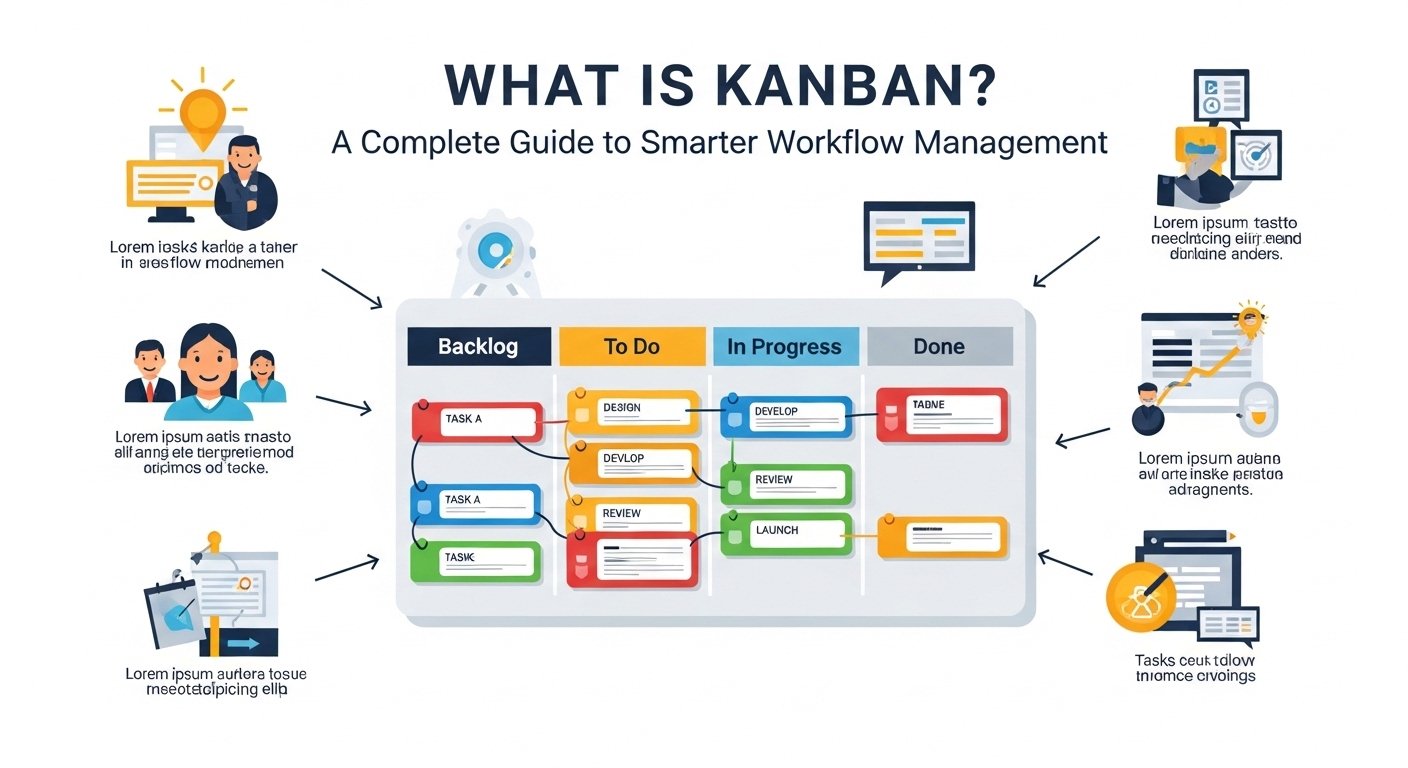
In a world where speed, clarity, and collaboration define success, keibann is emerging as a transformative concept for startups and digital-first organizations. Whether you’re scaling a SaaS product, managing distributed teams, or building a lean startup, keibann offers a smarter way to visualize workflows, improve communication, and accelerate execution. It’s not just another productivity buzzword it’s a practical framework that aligns people, processes, and priorities in real time.
The growing complexity of modern work environments demands tools and methodologies that go beyond traditional project management. This is where keibann steps in, combining visual organization with strategic execution to help teams stay focused and adaptable.
What Is Keibann and Why It Matters
At its core, keibann is a digital workflow management approach inspired by visual task systems. It allows teams to map out tasks, monitor progress, and optimize workflows using structured boards and real-time updates. Unlike rigid systems, keibann thrives on flexibility, making it ideal for startups and fast-paced environments.
The significance of keibann lies in its ability to simplify complexity. Instead of drowning in spreadsheets or endless email threads, teams can see everything at a glance—what’s pending, what’s in progress, and what’s completed. This clarity leads to faster decision-making and fewer bottlenecks.
For entrepreneurs, keibann becomes more than a tool—it becomes a mindset. It encourages transparency, accountability, and continuous improvement.
The Evolution of Keibann in Digital Workspaces
The roots of keibann can be traced back to visual workflow systems used in manufacturing and later adopted by software development teams. Over time, it evolved into a digital-first solution tailored for modern business needs. Today, keibann integrates seamlessly with cloud platforms, collaboration tools, and automation systems. This evolution has made it a cornerstone of agile work cultures, especially in tech startups where adaptability is crucial.
What makes keibann particularly relevant today is its compatibility with remote and hybrid work models. As teams become more distributed, having a centralized visual system ensures everyone stays aligned regardless of location.
How Keibann Works in Practice
Understanding keibann becomes easier when you see how it operates in a real-world setting. Imagine a startup building a new mobile app. Instead of juggling multiple tools, the team uses a keibann board to track every stage of development.
Tasks are categorized into columns such as “To Do,” “In Progress,” and “Completed.” Each task card contains details like deadlines, assigned team members, and progress updates. As work progresses, tasks move across the board, providing a live snapshot of the project’s status.
This visual flow eliminates confusion and keeps everyone on the same page. It also highlights potential delays early, allowing teams to take corrective action before issues escalate.
Key Benefits of Using Keibann
Keibann offers a range of advantages that directly impact productivity and efficiency. One of its biggest strengths is visibility. Teams no longer need to guess what’s happening—they can see it instantly.
Another major benefit is improved collaboration. When everyone has access to the same information, communication becomes more effective and less redundant. This is especially valuable for remote teams working across different time zones.
Keibann also enhances workflow efficiency by identifying bottlenecks. If tasks are piling up in one stage, it’s a clear signal that something needs attention. This data-driven approach helps teams optimize processes continuously.
Keibann vs Traditional Project Management
To truly understand the value of keibann, it’s helpful to compare it with traditional project management methods.
| Feature | Traditional Management | Keibann Approach |
|---|---|---|
| Workflow Visibility | Limited | High, real-time visualization |
| Flexibility | Rigid structures | Highly adaptable |
| Communication | Often fragmented | Centralized and transparent |
| Task Tracking | Manual updates | Dynamic and visual |
| Scalability | Challenging for startups | Easily scalable |
This comparison highlights why keibann is gaining traction among startups and tech professionals. It removes unnecessary complexity while enhancing clarity and speed.
Why Startups Are Adopting Keibann
Startups operate in environments where agility is everything. They need systems that can evolve as quickly as their ideas. Keibann fits perfectly into this dynamic because it doesn’t impose rigid frameworks.
Instead, it allows teams to design workflows that match their unique needs. Whether it’s product development, marketing campaigns, or customer support, keibann adapts to different functions seamlessly.
Another reason startups love is its cost-effectiveness. Many digital tools that support keibann are affordable or even free, making it accessible for early-stage companies with limited budgets.
Integrating Keibann with Modern Tools
One of the strengths of it is its ability to integrate with existing digital ecosystems. From communication platforms to automation tools, keibann enhances rather than replaces your current setup.
For example, teams can link keibann boards with messaging apps to receive instant updates. Integration with analytics tools provides deeper insights into performance and productivity.
Automation takes it a step further by reducing manual work. Tasks can be automatically assigned, deadlines updated, and notifications triggered, allowing teams to focus on high-value activities.
Challenges and How to Overcome Them
While keibann offers numerous benefits, it’s not without challenges. One common issue is overcomplication. Teams sometimes create too many columns or categories, which defeats the purpose of simplicity.
The solution is to keep the system lean. Start with basic stages and expand only when necessary. This ensures that the board remains easy to understand and use.
Another challenge is resistance to change. Team members accustomed to traditional methods may find it difficult to adapt. In such cases, proper onboarding and training can make a significant difference.
Consistency is also key. works best when everyone actively updates tasks and follows the system. Without discipline, even the best frameworks can fail.
Best Practices for Implementing Keibann
To get the most out of keibann, organizations should focus on clarity and consistency. Clearly define workflow stages and ensure that every team member understands their role within the system.
Regular reviews are essential. By analyzing the board periodically, teams can identify inefficiencies and make improvements. This aligns with the continuous improvement philosophy that keibann promotes.
It’s also important to avoid overloading the system with unnecessary details. Keep task descriptions concise but informative, and focus on what truly matters.
Lastly, encourage collaboration. Keibann is most effective when it’s used as a shared tool rather than an individual tracker.
The Future of Keibann in Digital Innovation
As technology continues to evolve, it is expected to become even more powerful. With advancements in artificial intelligence and data analytics, future keibann systems may offer predictive insights, helping teams anticipate challenges before they occur.
The rise of no-code and low-code platforms will also make keibann more customizable. Teams will be able to design workflows tailored to their exact needs without requiring technical expertise.
In a world increasingly driven by remote work and digital transformation, keibann is well-positioned to become a standard approach for managing workflows and collaboration.
Conclusion
Keibann is more than just a workflow tool it’s a strategic advantage for modern organizations. By combining visual clarity with operational flexibility, it empowers teams to work smarter, not harder.
For startups, entrepreneurs, and tech professionals, adopting can lead to better alignment, faster execution, and improved outcomes. It simplifies complex processes and creates a transparent environment where everyone knows what needs to be done.
As businesses continue to navigate an ever-changing digital landscape, those who embrace innovative frameworks like will be better equipped to adapt, grow, and succeed.

-

 Technology5 months ago
Product Designers: How Strategic Material Selection in Sheet Metal Avoids 40% Cost Overruns
-

 Blog7 months ago
hggbfe3fykc: Key Features, Uses, and Practical Insights
-

 Blog6 months ago
Dojen Moe Insights: Benefits, Features, and Future Potential
-

 Blog6 months ago
Jeusol3: Features, Advantages, and Real-World Applications
-

 Blog7 months ago
Axelanote: The Smart Digital Workspace for Modern Productivity
-

 Technology6 months ago
Leonaarei: A Powerful Tool for Startups and Innovators
-

 Blog5 months ago
Aleksandra Plus: A Deep Dive Into Its Growing Popularity
-

 Blog6 months ago
Nahttypen: A Practical Guide to Seam Types in Modern Design and Manufacturing