
Technology
Leonaarei: A Powerful Tool for Startups and Innovators

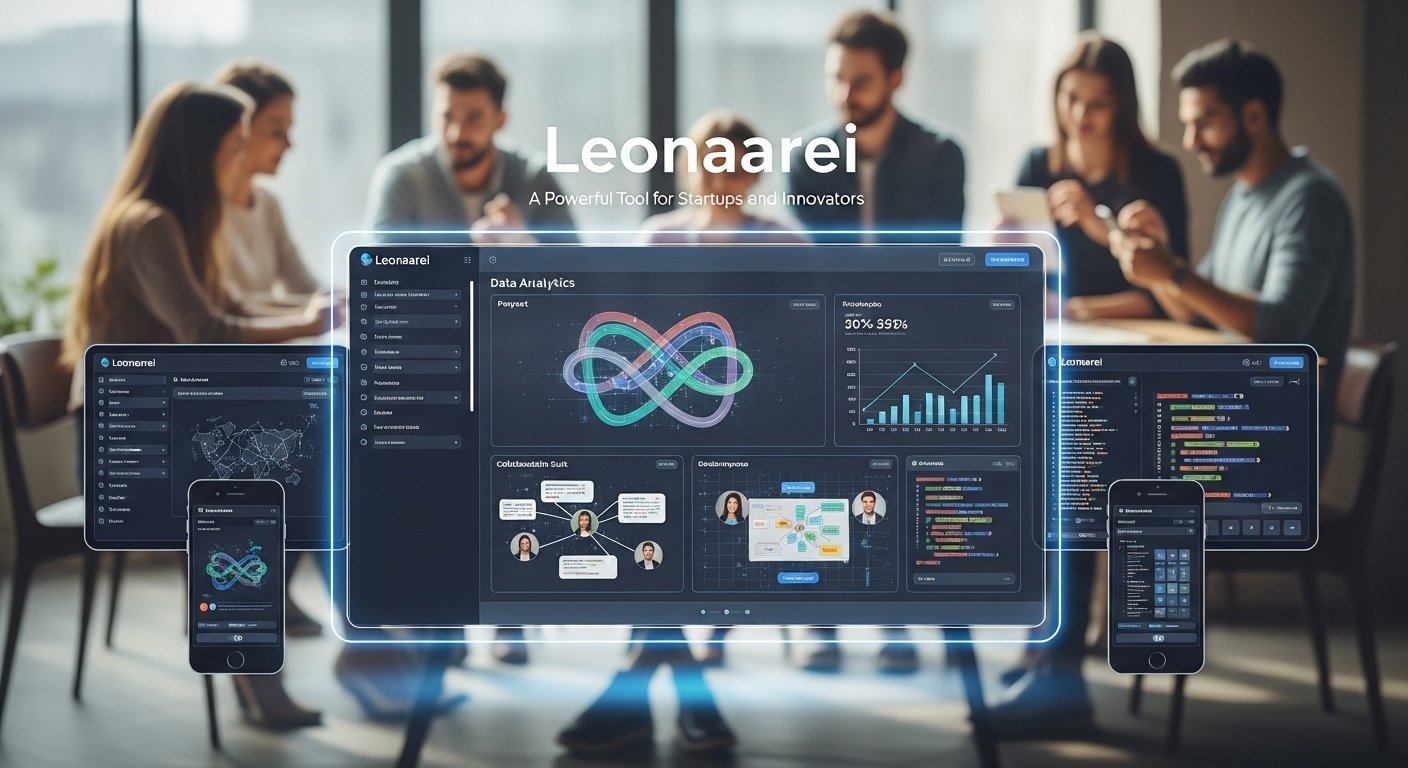
In a digital landscape where innovation moves faster than most businesses can adapt, leonaarei is emerging as a concept that captures attention for all the right reasons. For startup founders, entrepreneurs, and tech professionals, the need to stay ahead is no longer optional it’s survival. This is where leonaarei steps in, not just as a buzzword, but as a practical framework for building smarter, more agile digital strategies.
At its core, leonaarei represents a blend of adaptability, data-driven decision-making, and human-centric innovation. It’s about aligning technology with real-world business needs while maintaining flexibility in a constantly shifting environment. For anyone building or scaling a digital venture, understanding leonaarei can unlock a new level of strategic clarity.
Understanding Leonaarei in Today’s Digital Economy
The concept of leonaarei is rooted in the idea that modern businesses cannot rely solely on traditional models. Instead, they must adopt a fluid approach that combines technology, user experience, and market awareness. Unlike rigid frameworks, leonaarei thrives on continuous evolution.
In practical terms, this means startups can no longer afford to operate in silos. Product development, marketing, and customer experience must be interconnected. Leonaarei encourages this integration by emphasizing real-time feedback loops and iterative improvements. For example, a SaaS startup applying leonaarei principles would not wait months to release updates. Instead, it would deploy small, frequent improvements based on user data, ensuring that the product evolves alongside customer needs.
Why Leonaarei Matters for Startups
Startups operate in high-risk environments where resources are limited and competition is intense. Leonaarei provides a structured yet flexible approach to navigate these challenges.
One of the biggest advantages of leonaarei is its focus on efficiency. Rather than investing heavily in long-term plans that may become obsolete, businesses can make incremental adjustments. This reduces risk while increasing the likelihood of success Another critical aspect is scalability. As startups grow, their strategies must evolve. Leonaarei supports this growth by offering a framework that adapts to different stages of development, from early ideation to market expansion.
Key Principles Behind Leonaarei
To fully grasp the power of leonaarei, it’s important to understand the principles that define it. These principles act as a foundation for building sustainable digital strategies. First, there is adaptability. Markets change rapidly, and businesses must be prepared to pivot at any moment. Leonaarei encourages organizations to embrace change rather than resist it.
Second, data-driven decision-making plays a central role. Instead of relying on assumptions, businesses use analytics to guide their strategies. This leads to more accurate predictions and better outcomes.
Third, user-centric design ensures that every decision aligns with customer needs. In a world where user experience can make or break a product, this principle is crucial. Finally, continuous innovation keeps businesses relevant. Leonaarei promotes a culture where experimentation is encouraged, and failure is seen as a learning opportunity.
How Leonaarei Compares to Traditional Models
To better understand its value, it helps to compare leonaarei with traditional business approaches. The table below highlights the key differences:
| Aspect | Traditional Approach | Leonaarei Approach |
|---|---|---|
| Strategy Development | Long-term, rigid planning | Flexible, iterative planning |
| Decision-Making | Based on assumptions | Data-driven and real-time |
| Product Updates | Infrequent, large releases | Continuous, incremental improvements |
| Customer Focus | Secondary consideration | Central to every decision |
| Adaptability | Limited | High and responsive |
This comparison makes it clear why leonaarei is gaining traction among modern startups. It aligns more closely with the realities of today’s fast-paced digital environment.
Real-World Applications of Leonaarei
Leonaarei is not just a theoretical concept it has practical applications across various industries. From fintech to e-commerce, businesses are already leveraging its principles to drive growth.
In the fintech sector, companies use leonaarei to adapt to changing regulations and customer expectations. By continuously analyzing user data, they can introduce new features that enhance security and usability. E-commerce platforms, on the other hand, apply leonaarei to optimize customer journeys. By tracking user behavior, they can personalize experiences and improve conversion rates.
Even in the field of digital marketing, leonaarei plays a significant role. Marketers can test different strategies in real time, identify what works, and refine their campaigns accordingly.
Implementing Leonaarei in Your Startup
Adopting leonaarei requires a shift in mindset. It’s not just about using new tools—it’s about changing how decisions are made and how teams collaborate. The first step is to embrace data. Startups should invest in analytics tools that provide actionable insights. This allows teams to make informed decisions rather than relying on guesswork.
Next, businesses should focus on agility. This means breaking down large projects into smaller tasks that can be completed and tested quickly. Agile methodologies naturally align with the principles of leonaarei. Collaboration is another key factor. Teams must work together across departments to ensure that strategies are aligned. Communication becomes critical in this process. Finally, startups should prioritize customer feedback. By listening to users and incorporating their input, businesses can create products that truly meet market demands.
Challenges of Adopting Leonaarei
While leonaarei offers numerous benefits, it’s not without challenges. One of the main obstacles is resistance to change. Many organizations are accustomed to traditional models and may struggle to adapt. Another challenge is the need for reliable data. Without accurate information, decision-making can become flawed. Startups must ensure that their data sources are trustworthy and up to date.
There is also the risk of over-iteration. While continuous improvement is a strength of leonaarei, excessive changes can lead to confusion. Businesses must find the right balance between innovation and stability.
The Future of Leonaarei in Digital Innovation
As technology continues to evolve, the relevance of leonaarei is only expected to grow. Emerging trends such as artificial intelligence, machine learning, and automation align perfectly with its principles. In the future, businesses that adopt leonaarei will likely have a competitive advantage. They will be better equipped to respond to market changes, deliver superior user experiences, and innovate at a faster pace.
Moreover, as digital ecosystems become more complex, the need for flexible frameworks will increase. Leonaarei provides a blueprint for navigating this complexity while maintaining clarity and focus.
Why Entrepreneurs Should Pay Attention to Leonaarei
For entrepreneurs, staying ahead of the curve is essential. Leonaarei offers a way to do just that by combining strategy, technology, and user experience into a cohesive approach. It’s not about replacing existing methods but enhancing them. By integrating leonaarei into their operations, entrepreneurs can build more resilient and adaptable businesses.
In a world where disruption is constant, those who embrace change are the ones who succeed. Leonaarei provides the tools and mindset needed to thrive in this environment.
Conclusion
Leonaarei is more than just a concept—it’s a practical framework for navigating the complexities of modern digital business. By focusing on adaptability, data-driven decisions, and user-centric design, it empowers startups to build smarter strategies and achieve sustainable growth.
For startup founders, entrepreneurs, and tech professionals, the message is clear: the future belongs to those who can adapt quickly and innovate continuously. Leonaarei offers a roadmap to do exactly that, making it an essential approach in today’s competitive landscape.
In today’s fast-moving digital landscape, businesses are constantly searching for ways to stand out, connect with audiences, and deliver meaningful experiences. This is where spaietacle emerges as a transformative concept. More than just a buzzword, spaietacle represents a new approach to blending technology, creativity, and user engagement into something truly memorable. Whether you’re a startup founder building your first product or a tech professional scaling digital systems, understanding spaietacle can unlock powerful opportunities for growth and differentiation.
At its core, spaietacle is about crafting immersive and impactful digital experiences that go beyond functionality. It bridges the gap between innovation and storytelling, helping brands create moments that users not only interact with but remember. As competition intensifies across industries, businesses that embrace spaietacle are better positioned to capture attention and build lasting relationships.
Understanding the Concept of Spaietacle
Spaietacle can be described as the fusion of spectacle and spatial intelligence within digital environments. It combines visually engaging elements, intuitive design, and intelligent interaction to deliver experiences that feel both seamless and exciting. Unlike traditional digital solutions that prioritize efficiency alone, spaietacle emphasizes emotional engagement and user delight.
Imagine a product interface that doesn’t just guide users but inspires them, or a platform that feels less like a tool and more like an experience. That’s the essence of spaietacle. It encourages businesses to rethink how they design, develop, and deliver digital products.
For entrepreneurs, this means shifting from a purely functional mindset to one that values creativity alongside performance. For tech professionals, it requires integrating design thinking with advanced technologies such as AI, AR, and data analytics.
Why Spaietacle Matters in Today’s Digital Economy
The digital economy is saturated with products and services competing for the same audience. In such an environment, differentiation is critical. Spaietacle provides a strategic advantage by enabling businesses to stand out through unique and memorable experiences.
Modern users are no longer satisfied with basic functionality. They expect platforms to be intuitive, visually appealing, and emotionally engaging. Spaietacle addresses these expectations by focusing on the entire user journey rather than isolated interactions.
Additionally, spaietacle aligns with current trends such as personalization and immersive technology. By combining these elements, businesses can create experiences that feel tailored and meaningful, increasing user retention and loyalty.
Key Elements That Define Spaietacle
To fully grasp the potential of spaietacle, it’s important to understand the elements that bring it to life. These components work together to create a cohesive and impactful experience.
Visual Immersion
Spaietacle relies heavily on visual storytelling. This includes dynamic interfaces, engaging animations, and thoughtful design that captures attention without overwhelming the user. Visual immersion helps create a strong first impression and sets the tone for the entire experience.
Interactive Intelligence
Interactivity is another cornerstone of spaietacle. Instead of static interfaces, users engage with systems that respond intelligently to their actions. This can include personalized recommendations, adaptive layouts, and real-time feedback.
Emotional Connection
Beyond visuals and interaction, spaietacle focuses on creating an emotional bond with users. This is achieved through storytelling, intuitive design, and meaningful content that resonates with the audience.
Seamless Integration
A true spaietacle experience feels effortless. It integrates various technologies and touchpoints into a unified system, ensuring that users can move smoothly from one interaction to another.
Spaietacle in Action: Real-World Applications
Spaietacle is not just a theoretical concept; it has practical applications across industries. From e-commerce to SaaS platforms, businesses are already leveraging its principles to enhance user experiences.
In e-commerce, spaietacle can transform a simple shopping journey into an engaging experience. Interactive product displays, personalized recommendations, and immersive visuals can significantly increase conversion rates.
In SaaS platforms, spaietacle improves user onboarding and engagement. By making interfaces more intuitive and visually appealing, businesses can reduce friction and improve user satisfaction.
Even in education and training, spaietacle plays a role by creating interactive learning environments that keep users engaged and motivated.
Comparing Traditional Digital Design vs Spaietacle
To better understand the impact of spaietacle, consider the differences between traditional approaches and this modern concept.
| Aspect | Traditional Design | Spaietacle Approach |
|---|---|---|
| Focus | Functionality | Experience + Functionality |
| User Interaction | Static and predictable | Dynamic and adaptive |
| Visual Design | Minimal or standard | Immersive and engaging |
| Emotional Engagement | Limited | Strong and intentional |
| Technology Integration | Basic | Advanced and seamless |
| Business Impact | Moderate | High differentiation and retention |
This comparison highlights how spaietacle elevates digital experiences from basic usability to memorable engagement.
How Startups Can Leverage Spaietacle
For startups, adopting spaietacle can be a game-changer. In early stages, differentiation is often the key to gaining traction. By focusing on experience-driven design, startups can attract users even in competitive markets.
One practical approach is to prioritize user experience from the beginning. Instead of treating design as an afterthought, integrate it into the product development process. This ensures that every feature contributes to a cohesive and engaging experience.
Startups should also experiment with emerging technologies. Tools like augmented reality, machine learning, and advanced analytics can enhance the spaietacle effect when used thoughtfully.
Finally, gathering user feedback is essential. Spaietacle thrives on continuous improvement, and real-world insights can help refine the experience over time.
Challenges in Implementing Spaietacle
While the benefits of spaietacle are clear, implementing it is not without challenges. One of the main obstacles is balancing creativity with performance. Highly immersive experiences can sometimes impact loading times or system efficiency if not optimized properly.
Another challenge is resource allocation. Developing spaietacle-driven experiences often requires skilled designers, developers, and strategists working together. For smaller teams, this can be a significant investment.
There is also the risk of overdesign. Not every product needs complex visuals or interactions. The key is to enhance the user experience without overwhelming it.
The Future of Spaietacle in Technology
As technology continues to evolve, the role of spaietacle is expected to grow. With advancements in artificial intelligence, virtual reality, and spatial computing, the possibilities for immersive experiences are expanding rapidly.
In the near future, we may see spaietacle becoming a standard rather than an exception. Businesses that fail to adopt experience-driven design could struggle to keep up with competitors who prioritize user engagement.
Moreover, as users become more digitally savvy, their expectations will continue to rise. Spaietacle provides a framework for meeting these expectations while pushing the boundaries of innovation.
Best Practices for Building a Spaietacle-Driven Strategy
Creating a successful spaietacle experience requires a thoughtful and strategic approach. It’s not just about adding visual elements or interactive features but about designing a cohesive journey.
Start by understanding your audience deeply. Identify their needs, preferences, and pain points. This insight will guide your design decisions and ensure that your experience resonates with users.
Next, focus on simplicity. Even the most immersive experiences should feel intuitive and easy to navigate. Complexity should never come at the cost of usability.
Collaboration is also key. Bringing together designers, developers, and business strategists ensures that all aspects of the experience are aligned.
Finally, measure and iterate. Use data to evaluate the effectiveness of your spaietacle strategy and make continuous improvements.
Conclusion
Spaietacle is more than a trend; it’s a fundamental shift in how businesses approach digital experiences. By combining creativity, technology, and user-centric design, it enables organizations to create experiences that are not only functional but truly memorable.
For startup founders and tech professionals, embracing spaietacle can lead to stronger user engagement, higher retention rates, and a competitive edge in the market. While implementing it requires effort and investment, the long-term benefits make it a worthwhile pursuit.
As the digital world continues to evolve, one thing is clear: businesses that prioritize experience will lead the way. Spaietacle offers a roadmap for achieving this, helping organizations turn ordinary interactions into extraordinary moments.
-

 Blog1 month ago
Axelanote: The Smart Digital Workspace for Modern Productivity
-

 Blog1 month ago
hggbfe3fykc: Key Features, Uses, and Practical Insights
-
Uncategorized1 month ago
Hello world!
-

 Blog2 weeks ago
Nahttypen: A Practical Guide to Seam Types in Modern Design and Manufacturing
-

 Blog2 weeks ago
Wollwirrware: The Emerging Concept Redefining Digital Complexity
-

 Technology2 weeks ago
Spaietacle: The Future of Digital Innovation and Creativity
-
 Business2 weeks ago
What Is Keibann? A Complete Guide to Smarter Workflow Management
-

 Blog4 hours ago
Hsnime Explained: The Future of Streaming Anime Online